Monday Ramen Font Review
It was a Tuesday morning, and I was staring at a blank brand board for a new boutique coffee shop. The client wanted something warm, approachable, and slightly playful. I had a few fonts in mind, but nothing felt quite right. That’s when I pulled up Monday Ramen—a free font that promised to bring a touch of personality to any design. What followed was a quick test, and I found myself hooked.
Monday Ramen for Logo Design and Brand Identity
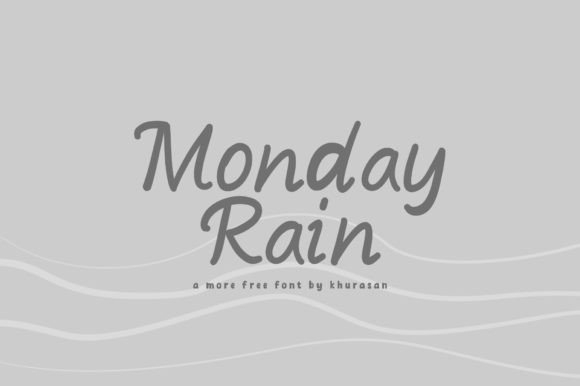
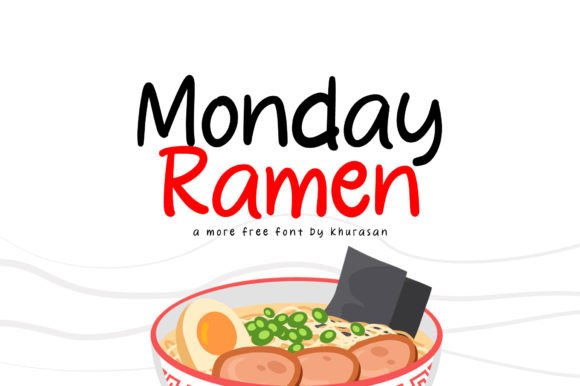
Monday Ramen is a modern and cute handwriting font perfect for logos and brand identity work. Its soft, rounded strokes and slight imperfections give it a friendly, handcrafted feel that works well for brands aiming for a personal or artisanal vibe. I tested it on a logo concept for a small café, and it immediately added a sense of warmth and accessibility that more rigid fonts couldn’t match.
The font’s character isn’t too aggressive, which makes it ideal for logos where you want to balance creativity with clarity. It’s not the kind of font that screams attention, but it does stand out in a subtle way. For a brand looking to communicate simplicity and charm, Monday Ramen could be a strong choice.
Monday Ramen for Packaging Design and Product Labels
I later used Monday Ramen on a packaging mockup for a handmade soap line. The font’s playful yet clean style made it a great fit for product labels. It worked especially well with minimalist designs, where the font didn’t overpower the imagery or color palette.
One thing I noticed was how well it handled different sizes. On larger packaging, it looked natural and readable. But when scaled down, like on a small label, it still held up without becoming too cramped or hard to read. This versatility makes it a solid option for product branding, especially if you’re working on a budget and need a font that can adapt to multiple formats.
Monday Ramen for Social Media Graphics and Web Headers
For a social media campaign, I tried using Monday Ramen on Instagram posts and website headers. It added a fresh, modern look that felt right for a lifestyle brand. The font’s casual tone made it feel more authentic than a polished sans serif or serif font, which can sometimes come off as too formal.
On web headers, it worked best when paired with a simpler typeface. I used it for a headline on a landing page, and it created a nice contrast against a clean, neutral body font. The result was a design that felt both professional and inviting—exactly what the client wanted.
Monday Ramen for Business Cards and Print Materials
When I printed a business card using Monday Ramen, I was impressed by how it translated to physical media. The font’s soft edges didn’t get lost in the print process, and it retained its character even at smaller sizes. It wasn’t the most legible font for long paragraphs, but as a headline or name, it performed well.
One thing to keep in mind is that Monday Ramen may not be the best choice for large blocks of text. It’s definitely a display font, not a body font. If you’re planning to use it in anything that requires high readability, like a brochure or a magazine article, you’ll want to pair it with a more structured typeface.
Monday Ramen for Creative Projects and Handmade Brands
As a designer who often works with handmade and artisanal brands, I found Monday Ramen to be a valuable addition to my toolkit. It has a personal, almost handwritten quality that feels genuine. This makes it perfect for brands that want to emphasize their craft or authenticity.
Whether it’s a bakery logo, a handmade jewelry tag, or a custom greeting card, Monday Ramen adds a human touch that can make a big difference in how a brand is perceived. It’s also a great option for designers looking for free fonts that still have a premium feel.
If you’re considering using Monday Ramen for your next project, I recommend testing it in a variety of contexts before finalizing your design. Try it on different backgrounds, sizes, and layouts to see how it performs. And always check the licensing terms—especially if you’re using it for commercial work or client projects.